A record connected to the work
Clear photographs and written observations support the fire and smoke remediation performed by Mold & Duct Cleaning Experts Inc. An organized record connects the visible conditions, affected areas, agreed scope and tasks our team performs.
Cleanup, material removal and demolition change what can be seen. When access is safe and authorized, documenting conditions before the agreed work begins helps explain the starting point. Areas already altered or not accessible are identified as limitations in the discussion.
What the record can include
The documentation is based on visible and safely accessible conditions at the time of the visit. Depending on the property and agreed scope, it may include:
- Photographs of accessible rooms, surfaces, belongings and exterior areas showing visible fire-related conditions.
- Written descriptions of fire, heat, smoke, soot, residue and firefighting-water effects.
- Room-by-room organization so observations can be connected to specific areas.
- Notes about concealed, inaccessible, unsafe or previously altered areas.
- The agreed remediation scope, approved changes and relevant project records.
- Information about the tasks performed within that scope.
Ask which photographs and written information are included in your project. The most useful format depends on the property, the work and the records already available.
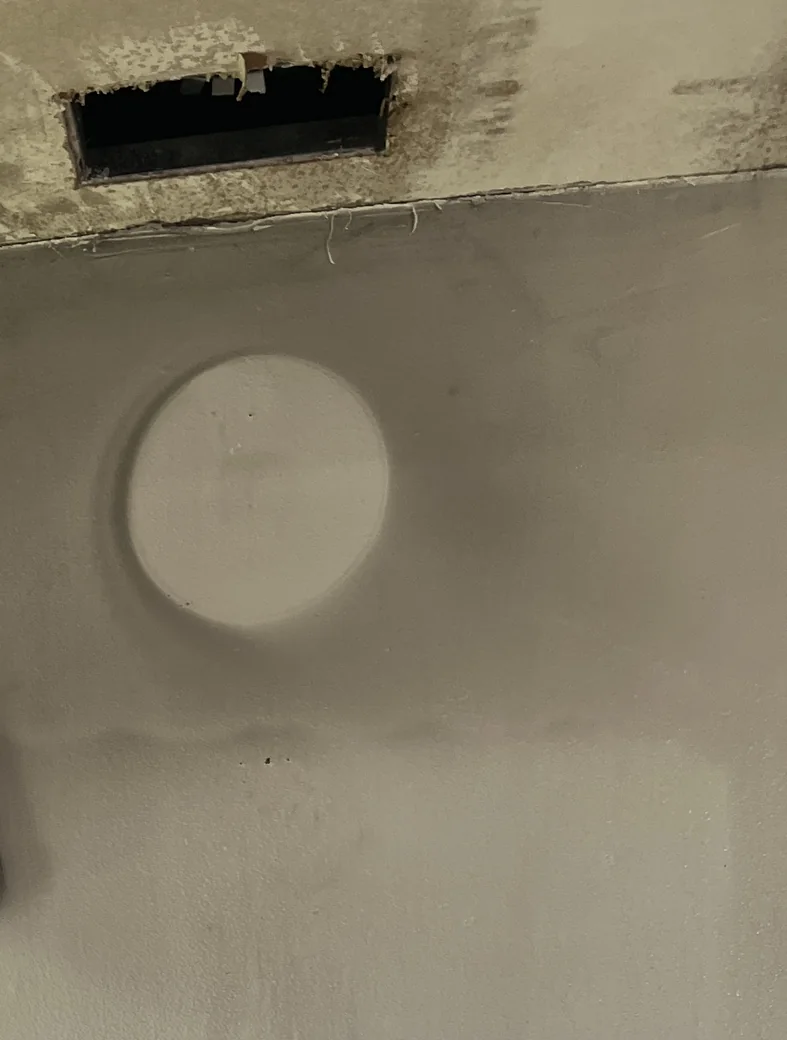
Read the photograph with its context
A wide photograph can show where a condition sits in a room. A closer image can show a surface pattern or an exposed material. Together with location notes, these views make it easier to discuss which areas are included in a proposed task.
A photograph also has limits. It does not show a concealed space or establish the composition of a residue. A visible condition may raise a question for another qualified specialist. Those questions should be kept distinct from the remediation tasks that have been agreed.
Our field photograph collection shows examples of visible conditions, with captions tied to what can be observed in each image.
Keep the project sequence understandable
Before the first conversation, gather existing photographs, the fire date if known, and a brief description of cleanup or removal already performed. If another contractor is scheduled, share what work is expected and which areas are involved.
Keep the accepted proposal and approved changes with the project documents. When discussing the next stage with a property manager or contractor, a record that identifies the area and work performed is easier to use than an unexplained collection of images.
Use the records you already have.Do not enter an unsafe property or disturb fire debris to take photographs. Follow the entry and access restrictions provided by the appropriate officials.
Documentation supports our remediation work. It does not determine insurance coverage, legal rights, engineering conclusions or the results of a laboratory test.